“It was November–the month of crimson sunsets, parting birds, deep, sad hymns of the sea, passionate wind-songs in the pines. Anne roamed through the pineland alleys in the park and, as she said, let that great sweeping wind blow the fogs out of her soul.”
― L. M. Montgomery, Anne of Green Gables
Disclaimer: this post was originally posted on November 2025 on my Substack account.
After the excitement of October, the arrival of autumn and Halloween, I find myself in the cold, quiet November. It’s during my long, pre-sunrise walks to the office that I start to worry about the inevitable, that old toxic friend that visits me every winter, dragging me down and messing up my mental health, the seasonal depression. It affects me differently every year; it shows up at different times during the season, but I always end up the same way: moody and highly emotional, with barely any energy left until spring.
SAD (Seasonal Affective Disorder), also known as seasonal depression, is a recurring type of depression that coincides with specific seasons. It affects many people, especially during the winter months. As the days grow shorter and colder, many people experience changes in their energy levels and mood, which can lead to SAD. The BACP includes the following symptoms: low energy, changes in sleep patterns, weight gain, feelings of hopelessness, difficulty concentrating, and a loss of interest in activities once enjoyed.
Some people experience “winter blues”, which is more common after Christmas or in the New Year, once the festive season is over, but the days are still short and cold.
I love the winter months in general, with their constant rain, darkness, and foggy mornings. But even though I love this season, the lack of sunlight is what affects me the most. The BACP describes the science behind SAD, noting that reduced exposure to sunlight during winter is a significant factor. This lack of sunlight can disrupt the body’s internal clock, leading to imbalances in neurotransmitters like serotonin and melatonin, which regulate mood and sleep.
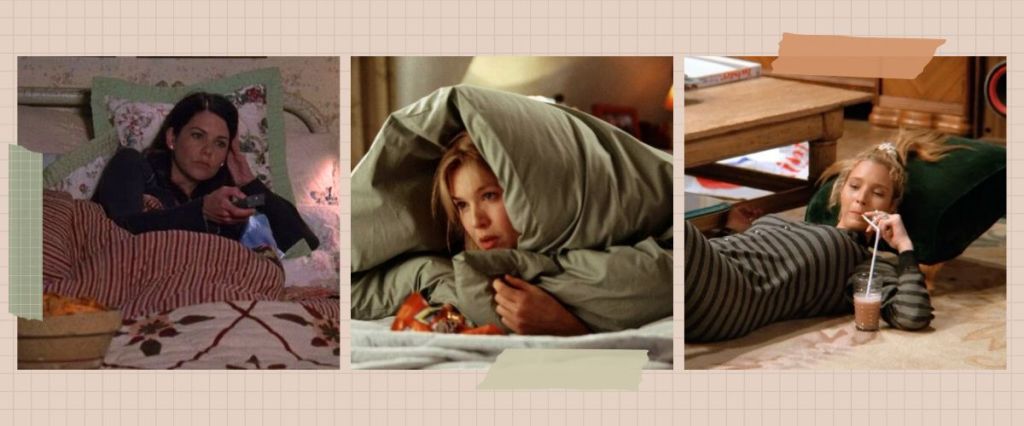
If you knew me, you’d soon realise I’m not a sunshine lover; my skin is the shade of a sickly Victorian child. I prefer colder climates and staying in the shade during the summer. But the winters in England can feel so dark and long that even I, an autumn and winter enthusiast, end up craving the sun. Every winter, I fall into a routine of going to work, coming home, and then going back to work again. I spend the precious hours of light sitting in an office with a tall building in front of my window, cutting off all the sunlight from ever reaching me. My walk back home is mostly in the dark and cold. When I get home, I light up some candles and hide under a blanket with a tea and snacks, trying to find something cosy to watch, with no energy to do anything else.
The good news is that symptoms of SAD can be managed. If you’re someone who’s easily affected by the harsh weather and lack of sunshine, these are some things that can help:
- Spending time in nature: I started growing vegetables this year, and I’m currently learning what gardening looks like during the winter months. It’s freezing, and most plants are growing painfully slowly, but I’m trying my best to make them stronger so they can survive the winter. I also enjoy writing outside in the garden, covered with a blanket, and trying to make the most of the one-hour window of no rain.
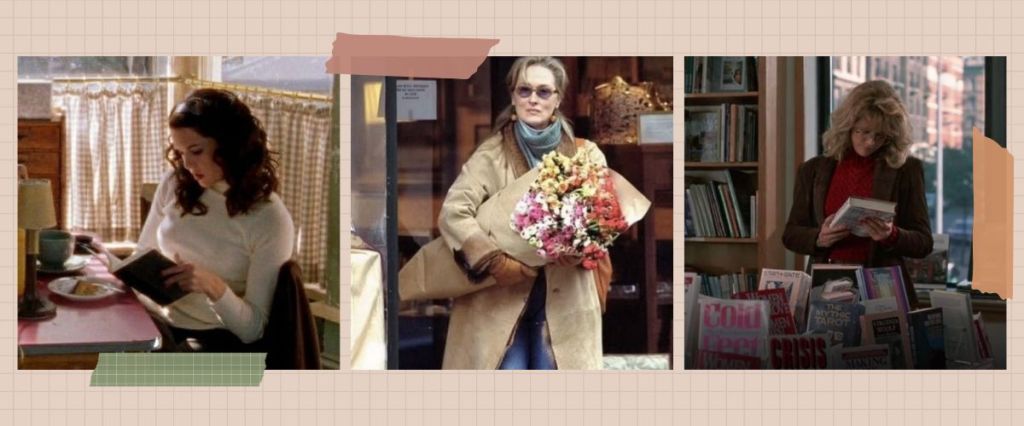
- Going on a daily walk: I try to do at least 20 minutes walking around the park, I’ll bring a book to sit on a bench on the rare days when it’s sunny or listen to an audiobook. Currently listening to Girl Dinner by Olivie Blake.
- Trying to exercise regularly: It’s been proven many times that exercise helps improve your mental health, yet I hate most forms of exercise, especially if it involves a gym. But I’m trying to find the motivation to go rock climbing or do yoga at home.
- Creating a personal seasonal curriculum: Choose a few topics to focus on this “semester”, and build your curriculum with a list of books to read, podcasts, films, anything that will help you research and learn the topics you’re interested in. Take notes, write essays if you’d like, or do any small task that will keep you motivated during the winter. I personally love going to my local library, borrowing books about my favourite topics that month and finding a quiet table to read and write. I’m currently learning about nature and wildlife conservation, as well as winter gardening. Any subject you find interesting is worth digging into. Currently reading Wild Woman by Philippa Forrester.
- Keeping a journal of glimmers: Glimmers are small moments that make us feel a sense of calm, connection, peace, and safety. It can be visual, like spotting a squirrel joyfully burying a nut, or a small robin sitting next to you on the park bench, just for a second before it flies away. It can be a smell that reminds you of home, or one that transports you to a childhood memory. Anything that evokes a feeling, however brief, that pulls you out of your thoughts and into this specific moment. I enjoy taking pictures of glimmers or writing down a description in my journal.
- Taking vitamin D (and any other vitamins your body might need): In the UK, the NHS recommends taking a daily supplement of vitamin D during the autumn and winter months, because the daylight hours are so low. The lack of vitamin D can cause muscle pain or weakness, bone pain, fatigue and tiredness.
- Creating a list of cosy movies and books to watch and read to keep warm this season: Set up movie nights by yourself. Light up some candles, make some popcorn and hot chocolate and watch a cosy movie. For me, Wednesday nights I have the house to myself and just watch a movie with my cat. Some of my favourite picks are When Harry Met Sally (1989), Bridget Jones’ Diary (2001), 10 Things I Hate About You (1999), 13 Going on 30 (2004) and Practical Magic (1998).

For books: I like a story with a bit of magic and romance. With expansive descriptions of nature to set the scene and seasonal elements. The Nature of Witches by Rachel Griffin, The Rules of Magic by Alice Hoffman, You, Again by Kate Goldbeck, Spells for Forgetting by Adrienne Young, and If It Makes You Happy by Julie Olivia.
I keep seeing posts on Substack about how to stay productive during the shorter days, but winter is a season of rest. Winter is a time of hibernation; the world moves more slowly, and there’s a natural need to stay indoors and build a cosy fort in your room. I think life is about finding the right balance, you’re allowed to rest and enjoy cosy evenings watching TV shows without feeling guilty that you aren’t being productive during your free time. And it’s also doing other things like spending time in nature or reading in your local library to help you stay out of seasonal depression. It’s about finding an activity that makes you happy and helps your mental health, even when it’s dark outside.
 Willow in Winter